Confused by all the names, from Gothic to Brutalist? Here are the architectural styles explained: group them into families, learn each family’s few key traits, and you can recognise most buildings.
If you are new to the field, start with these architecture basics and come back here for the style tour.
| Item | Value |
|---|---|
| Scope of ArchDaily’s style overview | Most influential styles and movements in history |
| ArchDaily overview published | August 13, 2018 |
| Paris Panthéon (Neoclassical) completed | 1758 |
| ArchitectureCourses style guide published | March 1, 2026 |
| Gothic signature features | Pointed arches, ribbed vaults, buttresses, stained glass |
These figures come from ArchDaily and ArchitectureCourses.org. Publication details and page content can change, so check the sources before you rely on them.
Start with families, not individual names
Architecture styles make more sense when they are grouped into families, as the ArchitectureCourses.org guide (published March 1, 2026) puts it. A style is a recognisable bundle of shapes, materials, ornament and ideas that keeps showing up in buildings of one period or place.
Styles rarely appear from nowhere. ArchDaily’s overview of influential styles describes the central movements as reactions to what came before, whether continuities or ruptures. Knowing what a style answered tells you more than memorising its features.
A handy way to sort the field, following the ArchitectureCourses.org guide, is by these families:
- Ancient and classical: axis, symmetry, columns, domes and monumental scale.
- Medieval: vaults, towers, arches, courtyards and symbolic space.
- Renaissance to Baroque: measured facades, domes and theatrical planning.
- 19th-century revival and industrial: historic references, iron, glass and mass production.
- 20th-century modern: function, new materials and open planning.
- Contemporary: performance, sustainability and digital tools.
Architectural styles from the ancient world to the Middle Ages
This is where the core ideas begin. According to ArchitectureCourses.org, each ancient culture pushed something different:
- Egyptian: scale, permanence and ceremonial order.
- Ancient Greek: proportion, columns and formal composition.
- Roman: arches, vaults, domes, concrete and infrastructure.
These styles still matter because later architecture keeps borrowing from them, sometimes directly and sometimes through revival styles. When you see a bank with columns or a museum with a dome, you are looking at an ancient echo.
The same guide points to pyramids, temples, forums, amphitheaters, baths and domes as the buildings to picture. Its main lesson is that architecture starts reading as both structure and public symbol. That pairing explains why a temple or forum is read as a civic statement and not only as shelter.
Medieval architecture is not one thing. It is a long stretch of regional traditions with different religions, climates and materials. The same guide singles out four:
- Islamic: geometry, courtyards, domes, arches, calligraphy and careful control of light.
- Romanesque: massive walls and a solid, earthbound presence.
- Gothic: structure turned into visible drama through pointed arches, ribbed vaults, buttresses and stained glass.
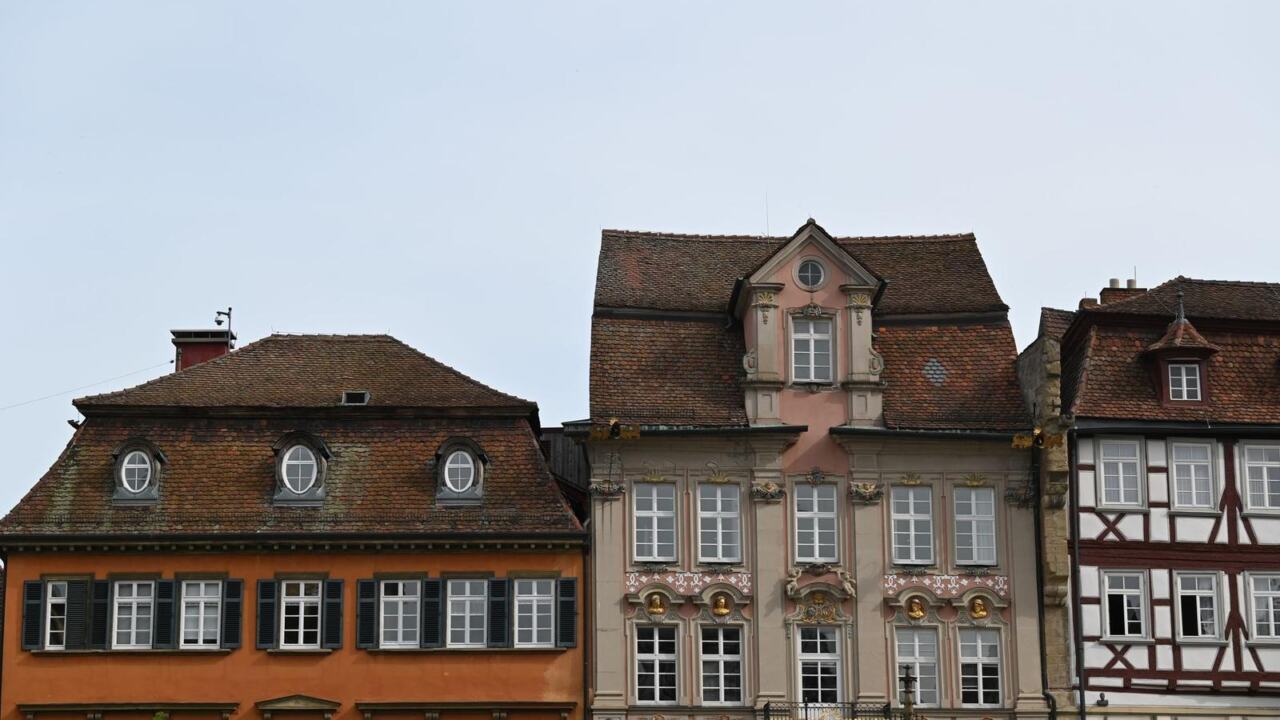
- Tudor: house-scale timber framing, steep roofs and chimneys.
The quickest test between the two best-known church styles is weight. Romanesque is the massive, ground-hugging one, while Gothic turns structure into visible drama with pointed arches and stained glass.
Think of mosques, cathedrals, castles, monasteries and courtyard complexes. According to ArchitectureCourses.org, the period made space feel more symbolic, more atmospheric and more charged, and that is a useful lens when you walk into an old church or courtyard.
Compare how each tradition handles structure and light. According to the same guide, Gothic turns structure into visible drama with ribbed vaults and stained glass, Islamic architecture pushes geometry and light control with incredible discipline, and Tudor architecture shows strong craft expression through its timber framing. Each one answers the same basic job with very different tools.
That variety is why one label fails. The guide describes a long stretch of regional traditions with different religions, climates, materials and ambitions, so it pays to read each tradition on its own terms before you compare them. Start with the region and the materials, then look at the structure, and the style usually becomes much easier to name.
Renaissance, Baroque and later European styles
The Renaissance brought classical order back on purpose, according to ArchitectureCourses.org. Symmetry tightened, domes returned and facades felt measured.
Baroque then pushed harder, with more movement, more drama and more theatrical sequences of stairs, domes and light. Rococo softened and decorated that drama, and Greek Revival and Neoclassical work tightened things up again. The Neoclassical reaction is easy to spot: calm, ordered, columned fronts.
A famous example is the Panthéon in Paris. ArchDaily’s overview captions it as a Neoclassical work by Jacques-Germain Soufflot and Jean-Baptiste Rondelet, completed in 1758.
The 19th and 20th centuries: revival, then modernism
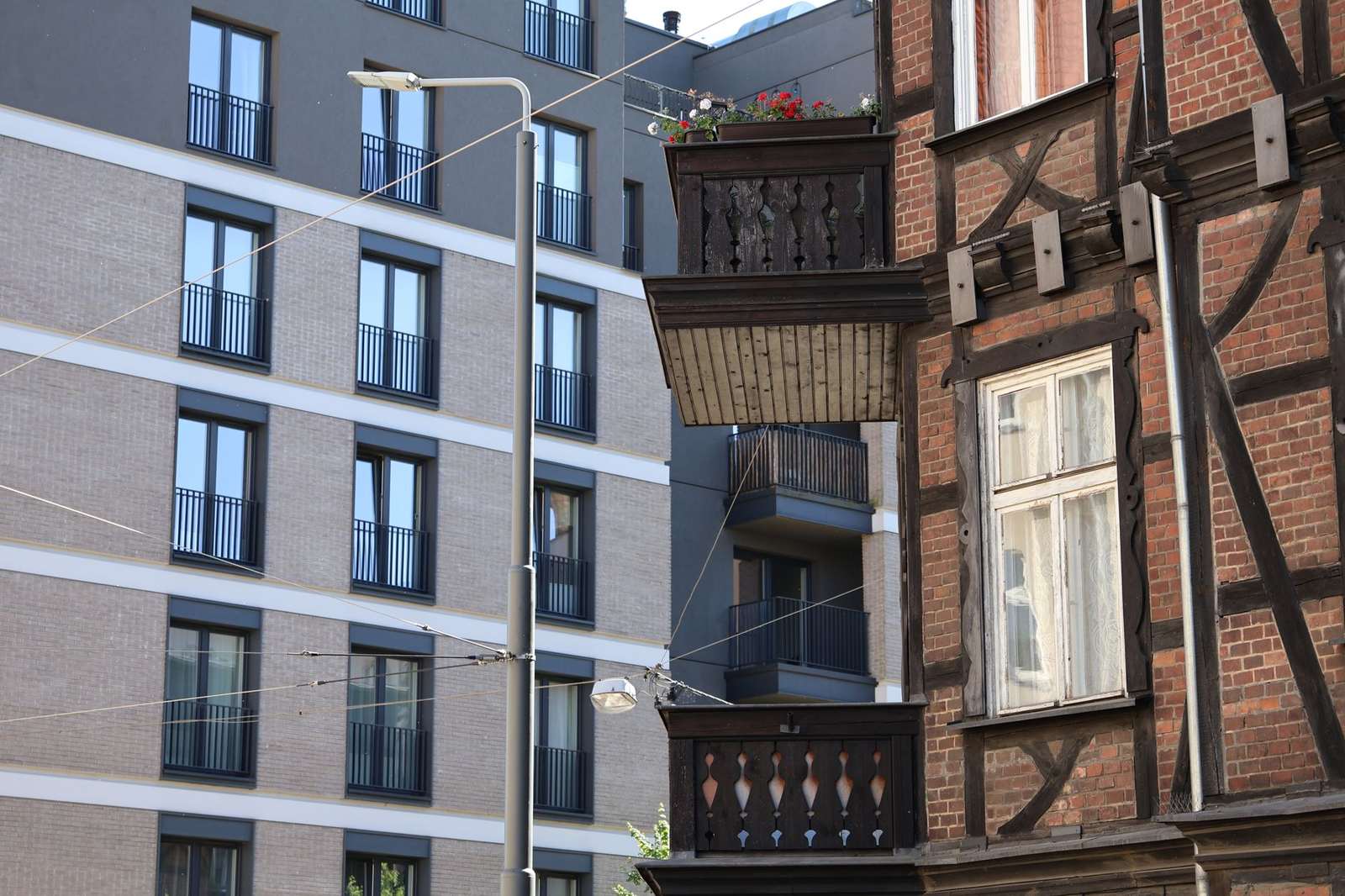
The ArchitectureCourses.org guide says the 19th century gets crowded fast. Neoclassical, Gothic Revival, Italianate, Victorian, Beaux-Arts and Arts and Crafts all sit side by side, because materials, transport, production and taste shifted at once.
The lesson is that new technology expanded style rather than replacing it right away. Pattern books spread ideas, and rail moved materials farther.
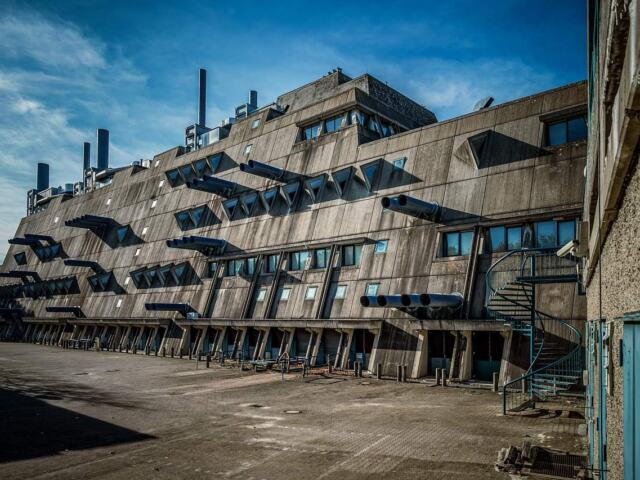
In the same guide, the 20th century swings hard. Early on you still find revivals, Craftsman work and bungalows; then modernism makes function lead and ornament suspect, with steel, glass and concrete taking over. Art Deco sits in the middle of that swing as a geometric, polished, urban machine-age style, and Brutalist architecture came later. To meet the people behind many of these buildings, read about the famous architects of the 20th century.
Contemporary architecture: pressure more than one style
The ArchitectureCourses.org guide is frank that the present is less unified than earlier periods. Sustainability, energy, carbon, digital tools, prefabrication, adaptive reuse, cost pressure, mixed-use cities and branding all push architecture.
The result is a mix. Some buildings go minimalist, some expressive, some performance-first, and some redraw older forms in new materials. So a contemporary building is better read through its pressures than through a single label.
How can you recognise a style on a real building?
You do not need to memorise every name. Work through these steps on any building you meet:
- Look at the overall shape: symmetrical and measured, or irregular and dramatic?
- Check the openings: round arches, pointed arches, or plain rectangular grids of glass?
- Note the materials: heavy stone, timber framing, iron and glass, or concrete and steel?
- Judge the ornament: lavish, restrained, or almost absent?
- Place it in a family, then narrow down to a named style.
Many buildings mix styles, so treat the result as a best fit, not a verdict. Once you can name the outside, the guide on how to read a floor plan helps you understand the inside.
Frequently asked questions
What is an architectural style?
Show answer
It is a recognisable set of traits, such as forms, materials and ornament, shared by buildings of a period or tradition. Styles often emerge as a continuation of, or break from, earlier work.
Which architectural styles came first?
Show answer
The ancient and classical family: Egyptian, Ancient Greek and Roman architecture, according to the ArchitectureCourses.org guide. Their ideas about axis, symmetry and monumentality keep resurfacing in later styles.
What is the difference between Romanesque and Gothic?
Show answer
Romanesque goes thick, heavy and grounded. Gothic uses pointed arches, ribbed vaults, buttresses and stained glass to make structure visible and dramatic.
Is there one style that defines today’s buildings?
Show answer
No. The ArchitectureCourses.org guide describes contemporary architecture as shaped by pressures such as sustainability, digital tools and cost, so many different outcomes share the same period.