Planning a calm, sunlit home and wondering where to begin? Mediterranean interior design comes down to warm whites, earthy colours and natural textures, layered with care so light does the rest.
If you want the bigger picture first, our guide to home design principles covers the fundamentals this style builds on.
| Element | Typical Mediterranean choice |
|---|---|
| Wall base | Warm whites, cream and ivory for walls and main surfaces |
| Depth tones | Beige, sand, stone and greige |
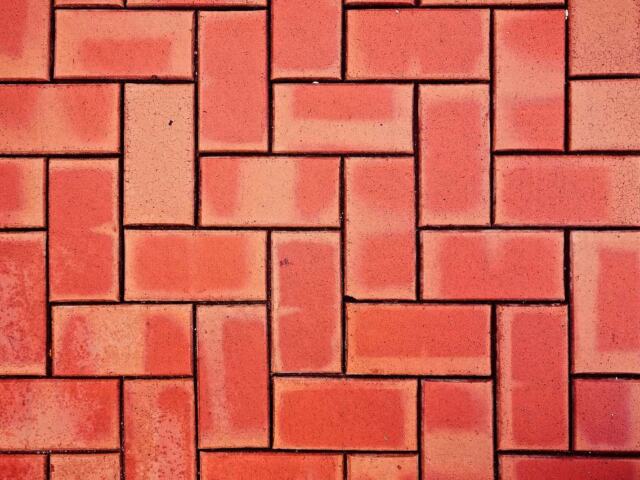
| Warm accents | Terracotta, clay and rust |
| Cool accents | Navy blue, grayish blue or turquoise for select details |
| Core materials | Stone, wood, lime, terracotta, ceramics, linen, cotton and braided fibres |
| Signature shapes | Arches, rounded corners, built-in benches, niches and soft volumes |
These details come from Krion’s Mediterranean style guide. Design advice and trends can change, so check the source before you rely on them.
What is Mediterranean interior design?
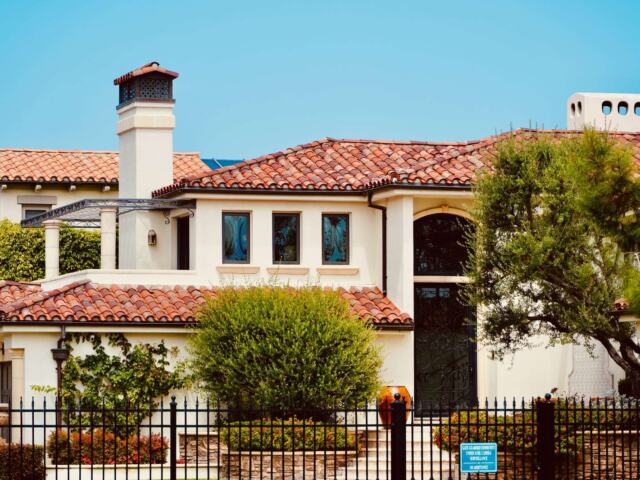
Mediterranean interior design is a style inspired by traditional homes in regions bordering the Mediterranean Sea, as Krion’s style guide describes it. It draws on the whitewashed houses of the Greek islands, Ibizan estates, Spanish coastal farmhouses, Italian buildings and North African homes.
Each region adds its own nuances, yet they share one idea: adapting the space to the light, the climate and a way of life where interior and exterior stay in constant relationship. Style Sourcebook adds rough and smooth textures and a strong focus on indoor-outdoor connection to the picture.
The goal is not a literal copy of a coastal house. Krion says it is about capturing the essence: calm, simplicity, brightness and a connection to the materials and colours of the landscape. Wood-Mode makes a similar point, saying the result is less about mirroring a specific place and more about capturing a feeling at home.
Colours that come from the landscape
The palette is born from the surroundings. According to Krion, white evokes whitewashed facades, sand and beige evoke beaches and limestone, ochres and terracottas evoke earth and ceramics, and blues and greens evoke the sea and vegetation.
Warm whites have a real basis in the architecture. Wood-Mode notes that the white architecture of the Greek Islands was first developed from crushed limestone, which gave it a soft, earthen character. Krion adds that pure white works, but off-whites, ivories, sands and beiges create a warmer, more enveloping effect.
A London-based designer from Cyprus, quoted by Livingetc, lists warm whites, soft limestone, sand, rusty terracottas, olive greens and muted browns, with occasional accents of deep sea blues. Her advice is to keep the palette soft and earthy, starting from a light, neutral base and adding layers of warm tones on top.
Krion suggests combinations you can borrow:
- White, sand and light wood: a bright, warm option that is easy to maintain over time.
- Ivory, terracotta and olive green: suitable for interiors with a more artisanal character.
- Beige, stone and grayish blue: a serene interpretation of the coastal landscape.
- Warm white, mineral gray and black: a more architectural take on the modern style.
When you add blues, Wood-Mode advises aiming for a consistent current of cool or warm undertones. Layer the colour through decor, artwork, tile or an accent area such as a kitchen island.
Materials and textures that add character
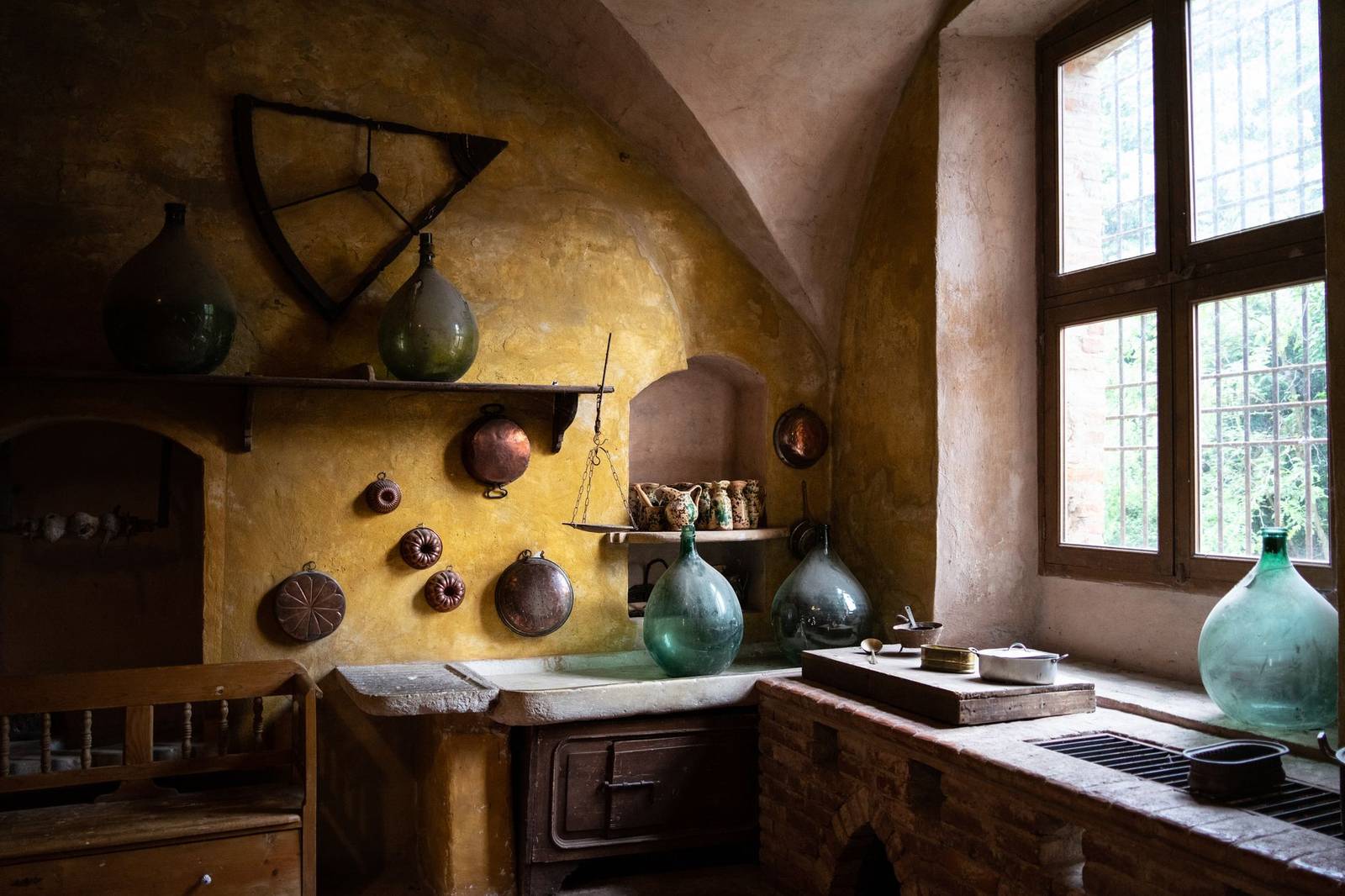
Krion warns that excessively smooth or uniform surfaces can feel cold unless they are combined with textures, reliefs and finishes that add depth. Its list of typical materials covers stone, wood, lime, terracotta, ceramics, linen, cotton and braided fibres.
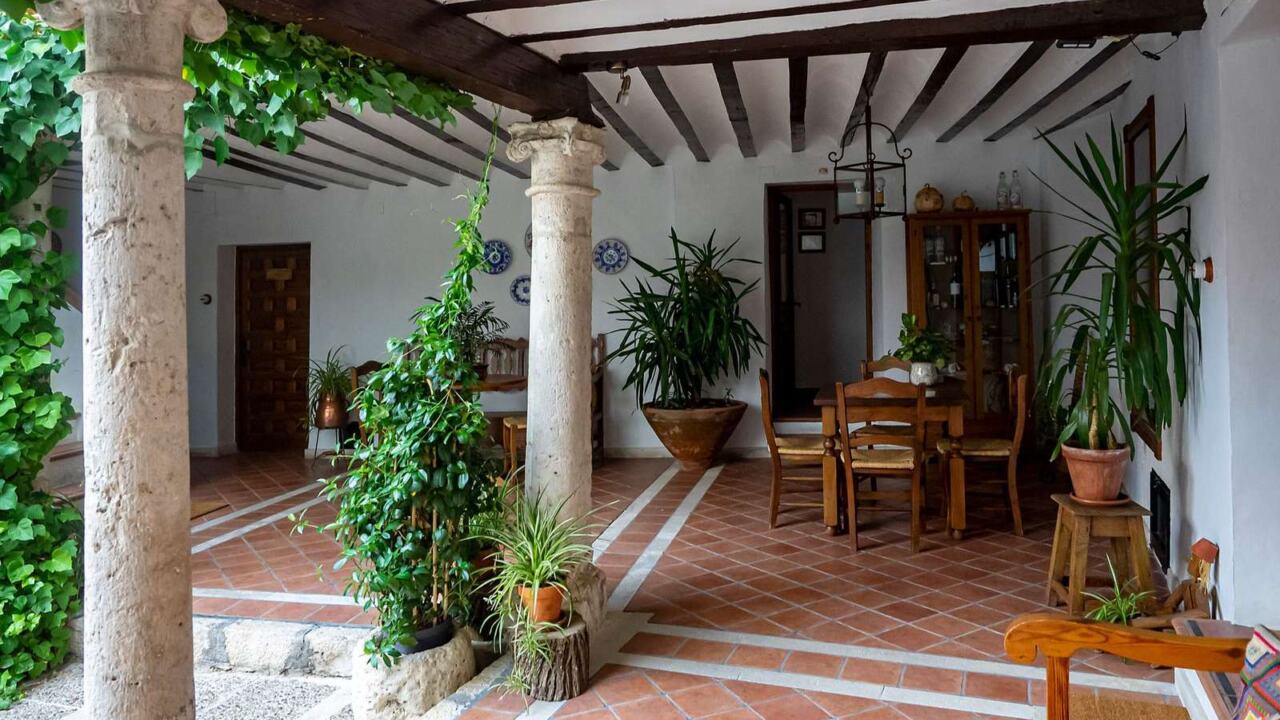
Salvatori describes how hand-plastered walls, exposed wooden beams and natural stone floors can make every surface feel like a work of art. It also describes the coolness of stone being offset by the warmth and intimacy of wood.
Choosing materials comes before choosing furniture. One designer quoted by Chairish advises beginning with the right materials and planning the colour story from there, with handmade tiles bringing a feeling of warmth.
You can use these as a starting checklist:
- Walls: a textured finish rather than a perfectly flat one.
- Surfaces: stone, or a continuous countertop that echoes a mineral look.
- Furniture: a wooden table or other natural-wood piece.
- Textiles and lighting: linen, cotton and a fibre lamp.
Krion says the key is not to pile on materials but to choose them with intention. A textured wall, a continuous countertop, a wooden table and a fibre lamp may be enough to create the atmosphere without overloading the room. Wood-Mode also points to linen, olive wood and marble paired with glossy artisan tile and polished metallics.
Light, curves and the link to the outdoors
According to Krion, light is the starting point for any Mediterranean interior. Large windows, patios, glass doors and open floor plans help it flow between rooms, while light tones on walls, ceilings and large surfaces reflect it and visually expand the space.
If you are weighing an open layout, our article on how to design an open plan living space is a useful next read.
Curves do much of the softening. Arches, rounded corners, built-in benches and niches recur in Mediterranean architecture, and Krion suggests using them in a kitchen island, headboard, bookshelf or the transition between rooms. They work best when they also improve circulation, combine functions or serve as a custom-designed feature.
Krion also describes the style as inviting you to live with your doors open, with terraces, porches, patios and gardens acting as extensions of the home. Repeating a stone tone, a wood finish or a geometric pattern inside and out helps connect the two visually.
Salvatori points to oversize windows, French doors and terraces with views of the sea, olive groves or citrus orchards as a key feature. Pairing big openings with a plan for airflow is covered in our piece on natural ventilation in house design.
How traditional and modern versions differ
Krion recognises the traditional style by its thick walls, lime finishes, wooden beams, clay floors, handmade ceramics, pronounced arches and sturdy furniture. The modern version keeps the connection to nature but simplifies the forms.
In the modern version, the same guide says layouts are more open, furniture blends into the architecture and the palette becomes more subdued. Continuous surfaces, monolithic volumes and technical solutions that make maintenance easier also appear.
If you own an older home, you do not have to strip its character. A designer quoted by Chairish updated a Spanish-Revival house by refinishing wood ceiling details in a modern gray finish, which preserved the architectural intent while giving a brighter, lighter feel.
How to bring the style into your own home
You do not need a sea view. Chairish advises making the most of the environment you have, and another designer there says you can include recognisable Mediterranean elements even without a beachfront location or much sun.
A simple order of work looks like this:
- Choose a neutral base of warm white, sand or light stone for the walls and large surfaces.
- Pick a few textured materials with intention, such as a limewashed-look wall, natural wood and linen.
- Add terracotta, olive or sea-blue accents in select details only.
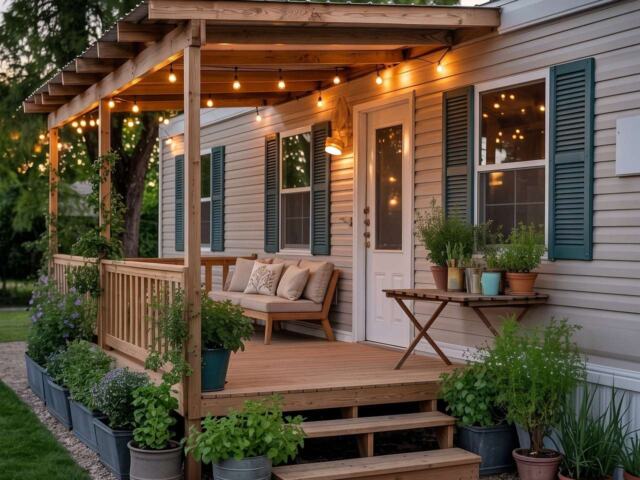
- Bring in plants, such as herbs or trees in terracotta pots.
- Finish with vintage or handmade pieces so the room feels lived in.
Plants matter more than they might seem. Salvatori calls flowers, herbs and trees an essential element of Mediterranean-style homes, whether in terracotta pots in a courtyard or planted in a garden.
For small rooms, Krion recommends avoiding overly sharp contrasts and using a continuous colour palette. Salvatori adds that with accessories, in keeping with minimalism, less is definitely more.
Frequently asked questions
What colours define Mediterranean interior design?
Show answer
Krion lists warm whites, cream and ivory as the base, with beige and sand for depth, terracotta and rust as warm accents, and blue or turquoise for select details. Olive green and sage reinforce the link to nature.
Can I get this look without living near the sea?
Show answer
Yes. Designers quoted by Chairish say you can use the environment you have and still include recognisable Mediterranean elements, even without a beachfront location or much sun.
Is Mediterranean style the same as minimalism?
Show answer
No, but they pair well. Salvatori says minimalism and Mediterranean style complement each other, because both favour simplicity and a responsible use of materials.
How does a modern Mediterranean home differ from a traditional one?
Show answer
A modern home keeps the natural materials and light but simplifies the forms. Krion describes more open layouts, furniture that blends into the architecture, a more subdued palette and continuous surfaces.